Work Towards Remission
From Hidradenitis Suppurativa
A structured evaluation identifies which internal systems are driving your condition — and what a personalised approach to correction would look like.
Get in Touch
Or speak with us on WhatsApp


You've Tried Everything.
It Keeps Coming Back.
Most patients reach EPOH after years of treatments that addressed the symptom, never the source. This is not a failure of willpower — it is a predictable result of treating the wrong layer.

HS Originates Inside.
Treatment Must Too.
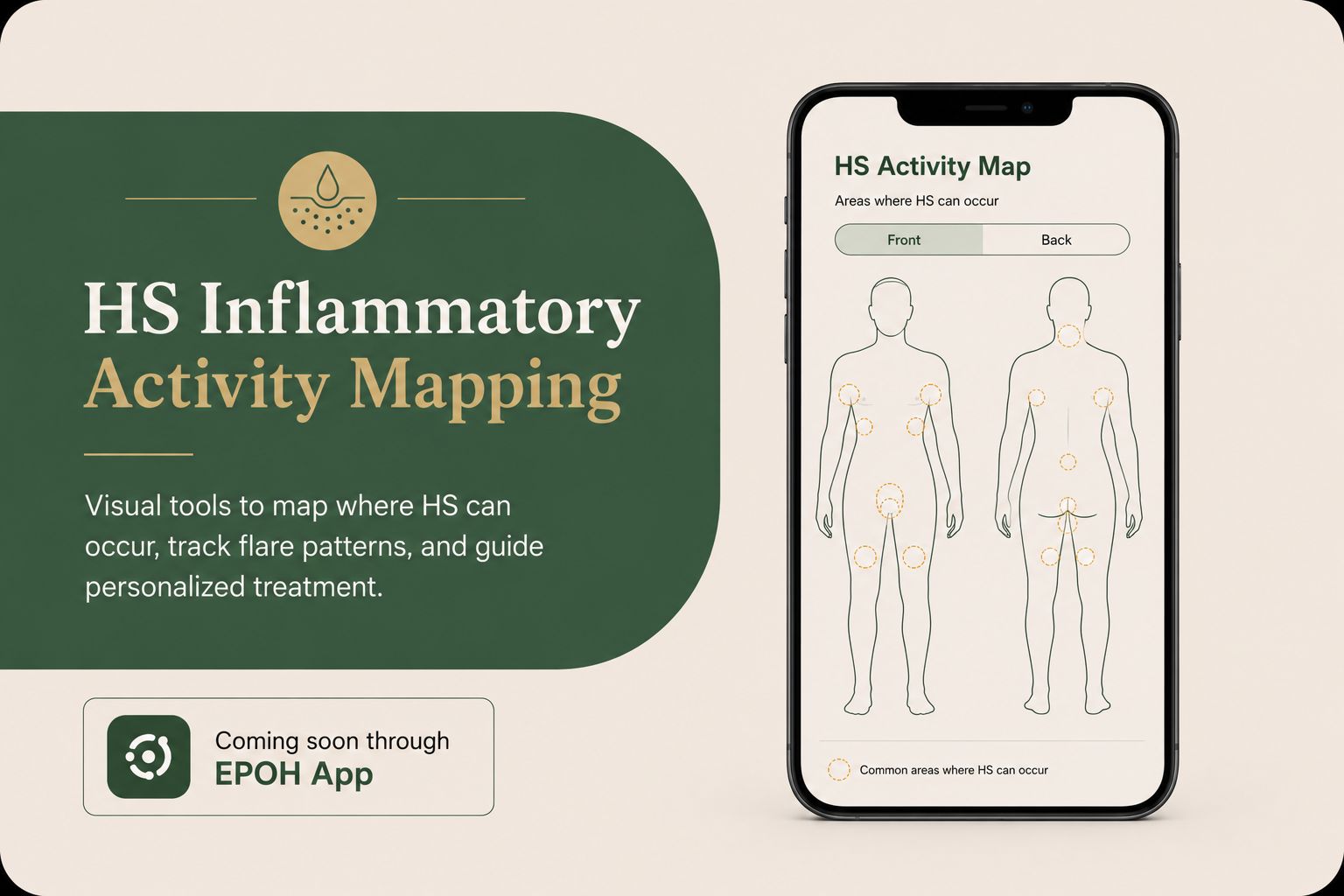
The lesions are the output, not the problem. Beneath every recurring boil and sinus tract, six internal systems have lost coordination — and until they are addressed together, the skin cannot recover.
All six systems interact. No two patients share the same profile — the EPOH evaluation identifies which systems dominate in your case.
What Worsens HS
Day to Day
Beyond the internal systems, specific external triggers accelerate flares. Identifying and reducing these is part of every patient plan.

Mental Stress

Dietary Triggers

Genetic Load

Hormonal Shifts

Lifestyle Factors

Environmental Load
A Structured,
Five-Phase Framework
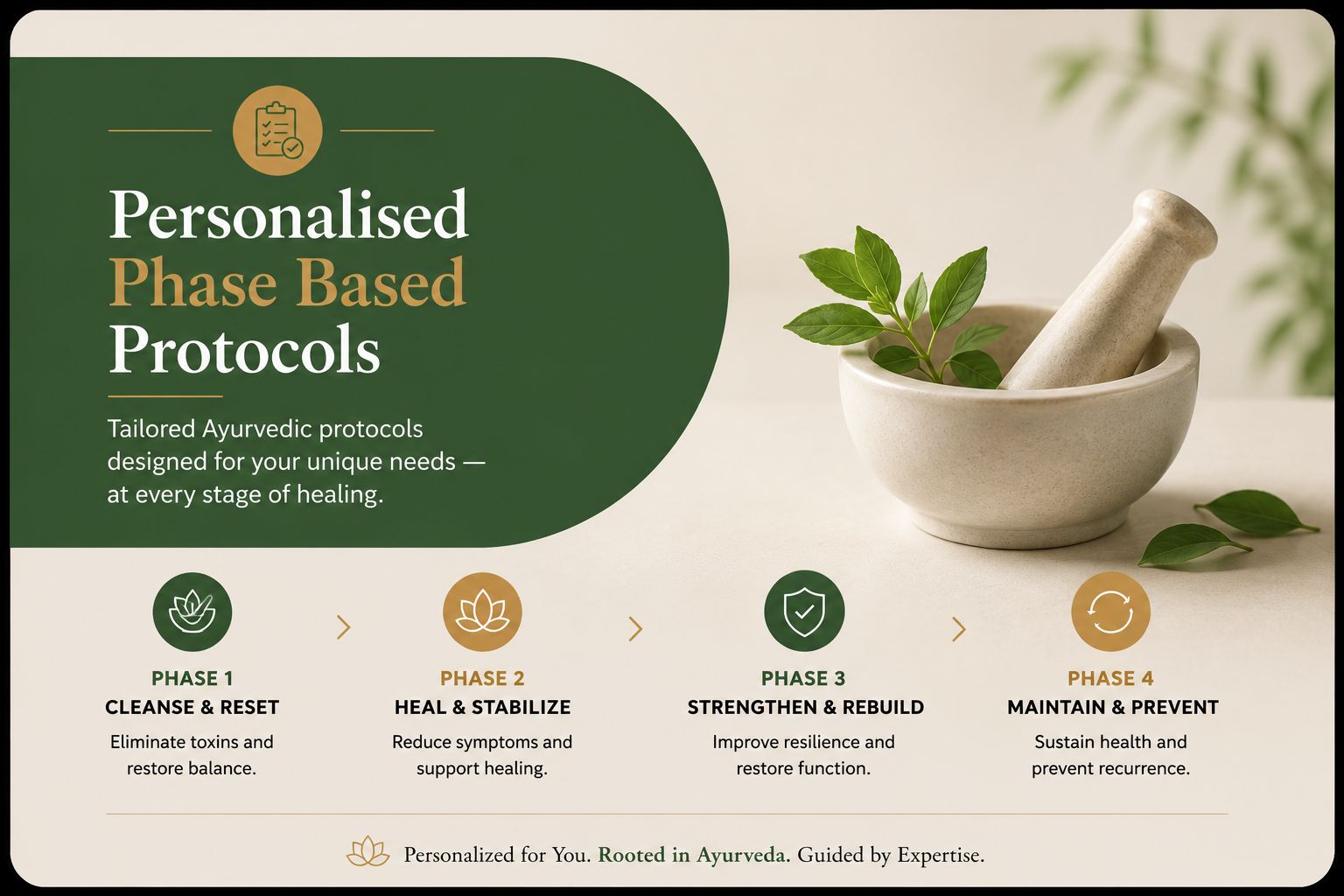
A structured 5-phase system designed to move HS from active inflammation to sustained remission. Each phase builds on the last — skipping phases is why most approaches produce only temporary results.
How the Approaches
Differ in Practice
| Factor | EPOH HS Protocol™ | Conventional Care |
|---|---|---|
| Treatment Target | Six internal systems driving HS | Active lesion / inflammation |
| Approach | Phased, sequenced correction | Suppression-first, lesion management |
| Gut Health | Central to Phase 2 — primary driver addressed | Rarely evaluated or treated |
| Hormonal Axis | Systematic evaluation and correction | Treated in isolation if at all |
| Recurrence Risk | Reduced as internal drivers are corrected | High — root cause remains active |
| Side Effects | Minimal — natural herbal compounds | Biologics: risk of heart failure, lymphoma |
| Personalisation | Proprietary formulations per patient profile | Protocol-based, limited adaptation |
| Long-term Goal | Sustained remission — HS no longer controls daily life | Managed chronicity |
| Ayurvedic Medicine | Phase-specific, proprietary formulations — hidradenitis suppurativa ayurveda applied as a clinical system | Generalised herbal products not tailored to HS disease |
| Home Care Support | Hidradenitis suppurativa home care guidance integrated into every phase — diet, lifestyle, and flare management | Generic advice, rarely personalised |
Scientific
Progress Tracking
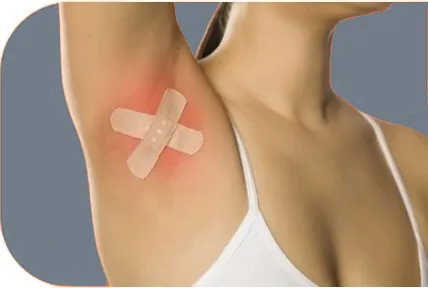

Visual Progress Tracking
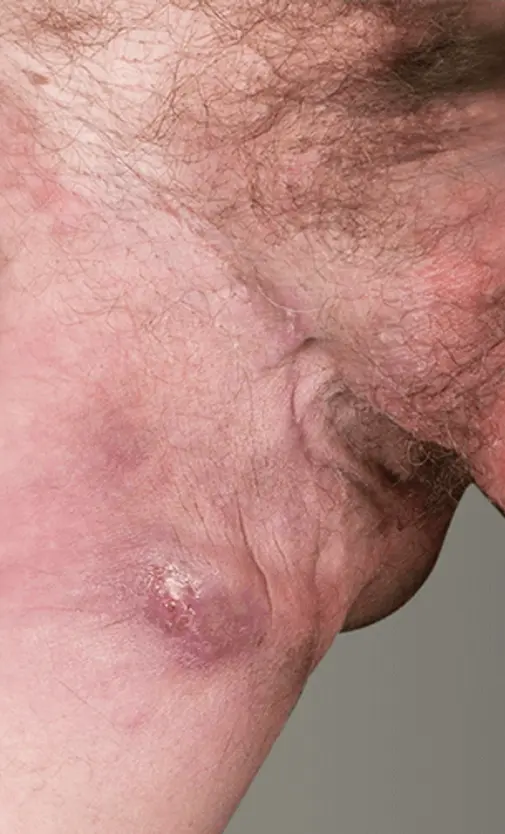
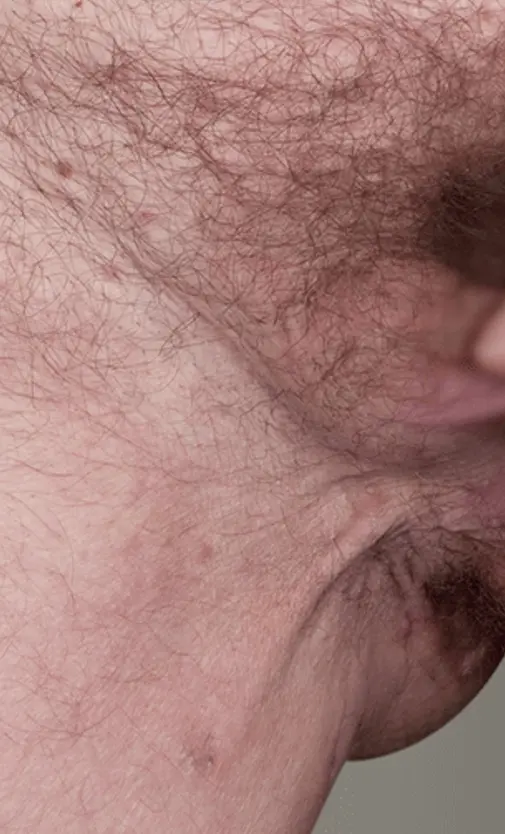
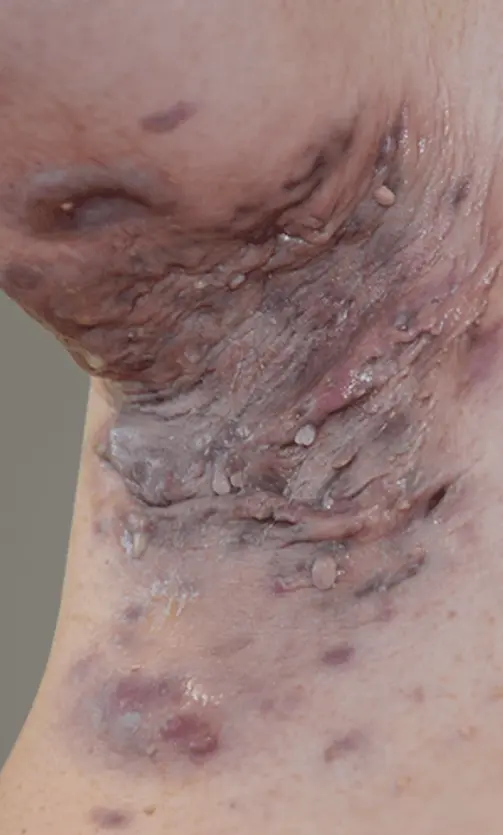
Monitor improvement with a relief tracker — objective documentation of lesion reduction across treatment phases.

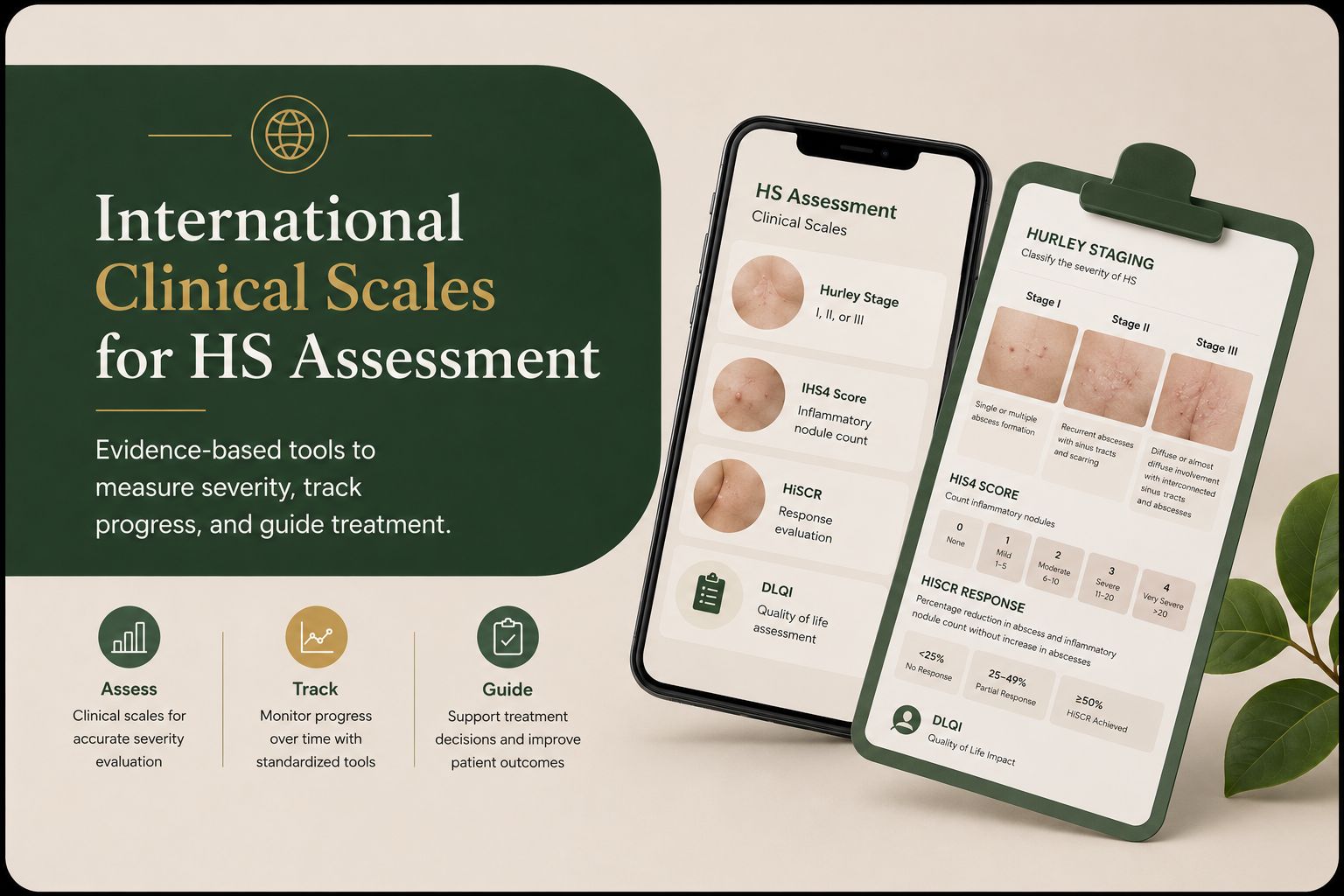
HS Stage Monitoring
Monitor severity index before and after treatment using the Hurley Staging System — ensuring transparency and measurable outcomes.
What's
Included?


What Makes This Different
From Ayurveda You've Tried
Most patients have tried Ayurveda before reaching EPOH — including hidradenitis suppurativa ayurvedic treatment and hidradenitis suppurativa natural treatment approaches. The difference is not the herbs — it is the structure, sequence, and specificity of how they are applied.
-
AYUSH-Vetted, Documented Protocol ↴
The EPOH HS Protocol™ is a formally documented clinical system — not a general Ayurvedic approach adapted for skin. It is structured specifically around the six internal systems that drive HS, with each intervention phase validated through 15+ years of clinical practice and 300+ cases.
-
Sequence Matters More Than Herbs ↴
In most Ayurvedic approaches, herbs are prescribed based on symptoms. In the EPOH protocol, the order of intervention is the primary variable — reducing inflammatory load before attempting internal correction, and clearing accumulated toxins before repairing tissue. Skipping or reordering phases is why most approaches produce temporary results.
-
Proprietary Formulations, Not OTC Medicines ↴
Every formulation is prepared in-house based on your specific Prakriti, stage of HS, and dominant internal drivers. No preservatives. No general shelf medicines. The combination changes as your profile changes — a static prescription cannot address a dynamic condition.
-
Diet and Lifestyle as Clinical Tools ↴
Diet and lifestyle modifications are not supplementary advice in this protocol — they are clinical interventions integrated into each phase. What you eat, when you sleep, and how you manage stress directly modulates the inflammatory load that medicines are working to reduce. Both must move together.
Patterns Seen
Repeatedly
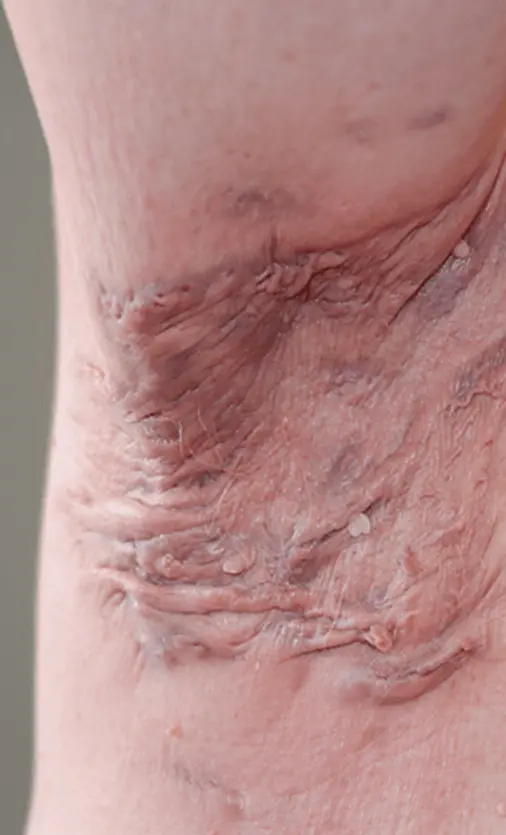
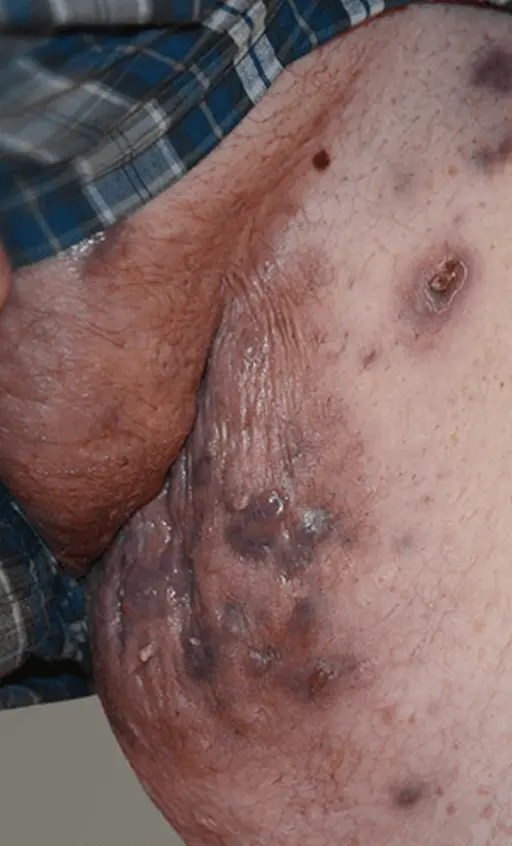
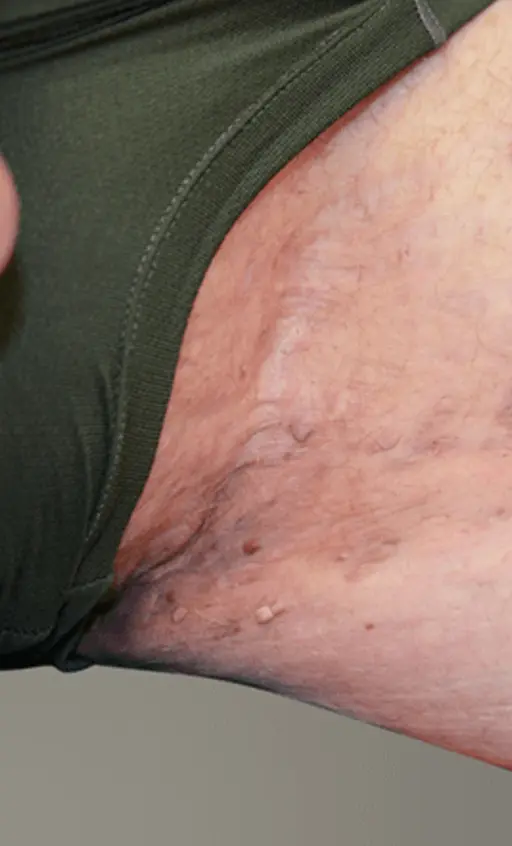
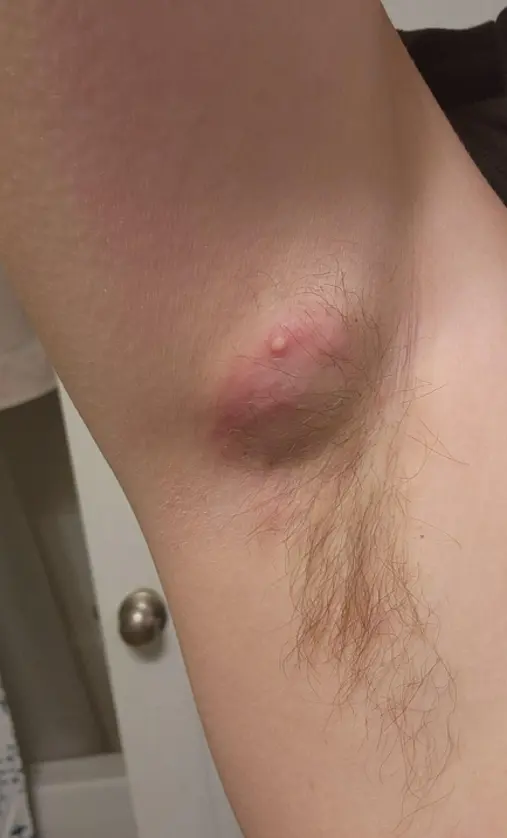
Representative patterns — recurring combinations of history, triggers, and disease behaviour appearing consistently across patients.
PCOS-linked
Post-surgical
Early intervention
Who This Approach
Is Designed For
Honest framing — because the right fit matters more than a wider net. EPOH is not the right starting point for every patient.
This approach works well for
- Patients with recurring HS despite antibiotics, surgery, or biologic treatment
- Women with hormonal triggers — PCOS, menstrual-linked flares, postpartum HS
- Stage I–III patients who want to prevent further progression
- Patients with HS linked to metabolic conditions — obesity, insulin resistance, thyroid
- Those willing to engage in a structured, phased process over months, not days
- Patients seeking to understand why their condition keeps recurring
- Those who have seen a dermatologist or specialist for hidradenitis suppurativa and want a root-cause approach alongside or after conventional care
- Patients asking which doctor to consult for hidradenitis suppurativa and looking for an Ayurvedic specialist with a documented clinical system
This approach is not right for
- Patients requiring immediate surgical drainage of an acute abscess
- Those seeking a guaranteed cure timeline or specific outcome promises
- Patients unwilling to modify diet, sleep, or lifestyle
- Those looking for a single herbal remedy or OTC treatment at home
- Stage III patients with highly advanced, diffuse systemic involvement requiring surgical consultation first
- Anyone in acute crisis — please seek emergency care first
Why
Elite Ayurveda?

Ayurscience Expertise
Ayurvedic principles applied with scientific innovation — documented clinical system, not folklore practice. Every ayurvedic medicine for hidradenitis suppurativa is prepared in-house, matched to your phase and profile.

Quantifiable Results
Progress monitored using the Hurley score — objective documentation and transparent outcomes.

Multidimensional Approach
Internal herbal medicines and external therapies working together — not one in isolation. HS treatment that addresses the skin condition, metabolic load, and gut health simultaneously.

Dedicated 1:1 Support
Personalised for changes on a deeper level — long-lasting impact on your health, not a one-size protocol.
Remission
Stories
Trust of Authentic Ayurveda — Awards & Recognition




Conditions & sites treated ▾
Hidradenitis suppurativa armpits · Hidradenitis suppurativa in armpit · Underarm hidradenitis suppurativa · HS under armpit · HS underarm · HS under breast · Hidradenitis suppurativa groin · Hidradenitis in groin · HS in the groin · HS lump in groin · Hidradenitis suppurativa buttocks · Hidradenitis suppurativa on buttocks · Hidradenitis suppurativa on thighs · Hidradenitis suppurativa abscesses · HS abscess · HS flare treatment · HS skin treatment · HS dermatology · HS cure · HS medicine · Best treatment for hidradenitis suppurativa · Hidradenitis suppurativa armpit treatment · Hidradenitis suppurativa cure · How to prevent hidradenitis suppurativa · Doctor for hidradenitis suppurativa · Best doctor for hidradenitis suppurativa · Hidradenitis suppurativa dermatologist · Hidradenitis suppurativa which doctor to consult
Frequently Asked
Questions
In the EPOH® HS Protocol™, remission is approached through structured correction of the internal inflammatory drivers contributing to lesion formation. The goal is not temporary symptom suppression alone — but hidradenitis suppurativa permanent treatment outcomes: long-term clinical stability and improved quality of life. For many, this is how to cure hidradenitis suppurativa when symptom-only approaches have failed.
Recovery timelines vary based on disease stage, duration of HS, inflammatory activity, and associated internal factors. Earlier-stage cases generally respond faster than long-standing recurrent disease. Guidance on how to treat hs at home — including diet, sleep, and lifestyle modifications — is integrated into every phase as part of hidradenitis suppurativa home care support.
Rather than using generalized herbal combinations, protocols are aligned through phase-based sequencing, internal system assessment, and continuous monitoring. The difference is not simply the herbs used — but the structure, timing, alignment, and clinical pathway guiding them.
HS disease left uncontrolled is associated with Crohn's disease, psoriasis, metabolic syndrome, and certain autoimmune conditions. Repeated inflammation, pain, drainage, and flare cycles gradually affect quality of life — which is why knowing how to treat hs and how to stop hs at its source matters more than managing individual flares. This is why the EPOH® HS Protocol™ focuses not only on the visible lesions, but also on the internal inflammatory patterns associated with hs skin disease progression.
The EPOH® HS Protocol™ follows a different approach. Rather than focusing only on inflammatory suppression, it aims to address broader internal patterns associated with recurrent hs disease — including metabolic, inflammatory, lifestyle, and recovery-phase factors. The protocol is structured around phase-based care, personalized alignment, continuous monitoring, and long-term stability strategies for the hs condition as a whole — not individual lesion management.
Treatment decisions should always be individualized based on disease severity, prior treatment history, patient goals, and clinical evaluation.
For patients searching for a hidradenitis suppurativa specialist near me or an hs doctor near me, in-person consultation is available in Bengaluru. However, it is not required to begin treatment — the full protocol is accessible remotely for patients across India and internationally.
While HS behaves differently from person to person, many patients treated through the EPOH® HS Protocol™ experience long-term remission with significant reduction in inflammatory activity, recurrent lesions, pain, and flare frequency. The protocol is designed to move beyond temporary symptom management by addressing the broader inflammatory and internal patterns associated with disease progression.
A cure for hidradenitis suppurativa — in the sense of sustained, long-term remission — becomes a realistic outcome when the six internal systems driving the condition are identified and corrected in sequence. Also sometimes called hydra suppurativa or acne inversa, the condition responds well when internal drivers are treated rather than lesions managed.
If HS Keeps Returning,
The Root Cause Has Not Been Addressed.
A structured evaluation identifies which internal systems are driving your condition — and what a personalised approach to correction would look like.
EPOH · Dr. Adil Moulanchikkal, BAMS · +91 88847 22246 · Personalised evaluation required before treatment commences