


Why EliteAyurveda™
How We Treat Pityriasis Alba at the Root
Pityriasis Alba may appear as a simple cosmetic concern—but Ayurveda views it as a deeper imbalance. These pale, dry, mildly scaly patches commonly seen in children and young adults indicate disrupted skin nourishment and impaired melanin formation. Root causes often include aggravated Vata drying the skin and disturbed Pitta affecting pigmentation, along with Ama (toxins) weakening skin tissues.
Ayurveda classifies this under Kushta Vyadhi, where the imbalance penetrates the Rakta (blood) and Twak Dhatu (skin layers). Thus, simply applying topical creams cannot restore lasting pigmentation.
“Dosha-dushti samutpannam twak-vikarasya hetave” — Skin disorders arise from doshic vitiation affecting nourishment and color of the skin.
This explains why true healing requires restoration of internal balance and healthy skin metabolism, not superficial concealment.
Our Unique Approach
We follow a comprehensive root-cause-based healing system to reverse Pityriasis Alba through:
- Dosha Rebalancing: Calming Vata to restore hydration and stabilizing Pitta to normalize uniform pigmentation.
- Gentle Detoxification: Clearing Ama from Srotas (micro-channels) ensures optimal nutrient delivery to skin cells.
- Deep Tissue Nourishment: Rejuvenating Rakta and Twak dhatus enhances natural melanin development and strengthens skin clarity.
- Mind-Body Harmony: Stress, sleep disturbance, and irregular routines can trigger relapse — we correct these patterns for durable recovery.
- Targeted Diet & Lifestyle: Personalized guidance supports digestion, enhances absorption, and prevents recurrence of discoloration.
Why Choose EliteAyurveda™
Our treatments are about permanent healing — not temporary whitening. Here’s how we make it possible:
- Root-Cause Reversal: We treat metabolic, immune, and tissue-level disturbances causing pigment loss.
- Safe & Natural: No steroids, bleaching agents, or harsh chemicals — only holistic, balanced healing.
- Personalized Therapies: Every protocol is tailored to each individual’s specific doshic state and skin ecosystem.
- Dedicated Ayurvedic Experts: A highly experienced team ensuring continuous evaluation and visible outcomes.
- Proven Successful Remissions: Numerous patients have regained full repigmentation with long-term stability.
We help restore not just the lost skin tone — but the inner balance that maintains it. Your healing journey results in nourished, glowing, and evenly pigmented skin that reflects true well-being from within.
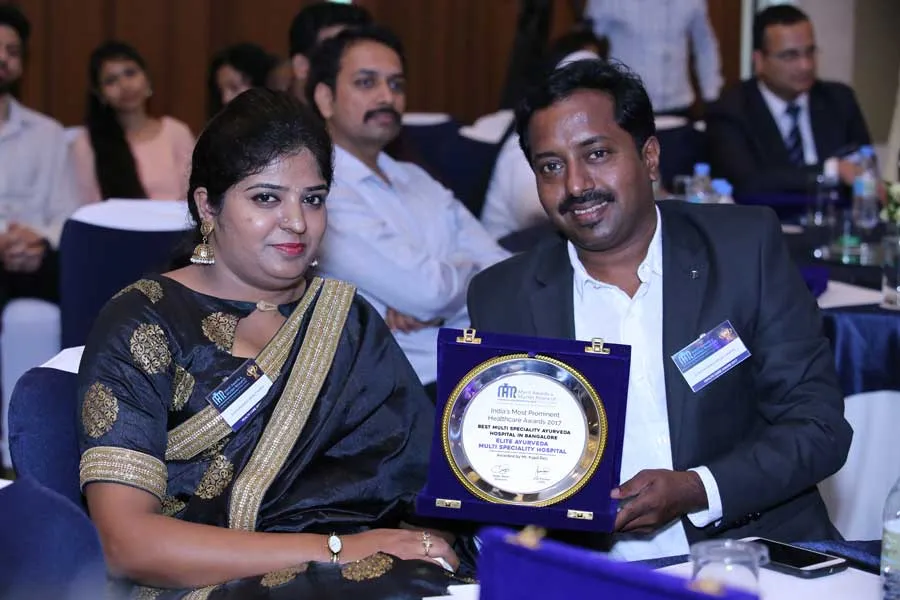
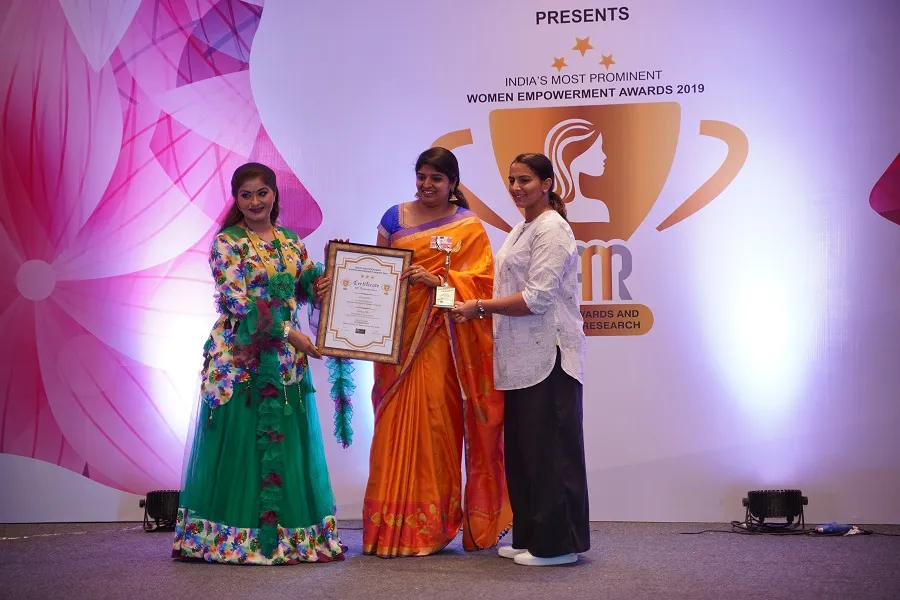
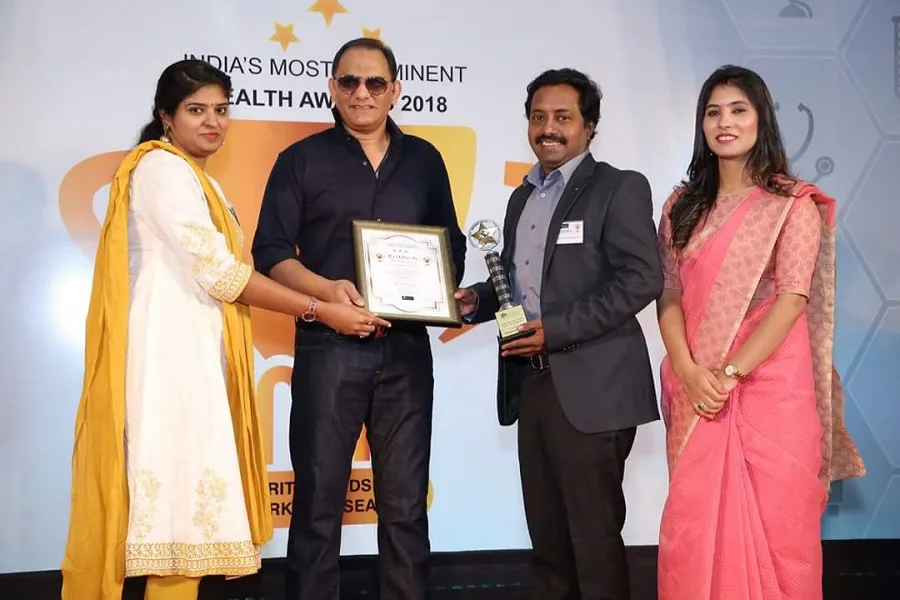
Trust of Authentic Ayurveda - Awards & Recognition


Our Pityriasis Alba
Treatment Highlights
Understand the Approach that Makes Us the Most Successful Ayurveda Center for Pityriasis Alba Treatment
We strive to enhance the quality of medicines to give you the holistic benefit of latest in treatment knowledge and optimally potent herbal medicines.
EliteAyurveda™ in Numbers
28,000+
Patients Treated
Among World's leading experts on Ayurveda treatment with over 28k+ patients treated worldwide
30+
Years Experience
Our doctors have combined treatment experience that surpasses 30+ Years
Remote
First, In-Clinic Where Needed
Formulations are compounded to your profile and dispatched by courier. Consultations by video or WhatsApp. No clinic visit is required — for most patients.
With you,
throughout your treatment journey

Easy Appointments available Online & Offline with the Best Ayurveda Experts in India

Evidence-based Approach for Progressive Health with Dedicated 1:1 Support

Medicines Delivered to your door-step Worldwide Hassle-Free

Structured, AYUSH Vetted Root Level Treatments for Rebalanced Cellular & Metabolic Conditioning

Personalized for Changes on a Deeper Level that will have a Long-Lasting Impact on your Health
Pityriasis Alba Treatment, Naturally -
Every person is unique, hence treatment for the person’s disease must be unique too.
No Over-The-Counter Medication. Unique Customized Proprietary Herbal Medicines
Root Cause Treatment
“The Ayurvedic approach of disease looks for the root cause and not merely the symptoms. The basic principles of Ayurveda consider an individual human a specific identity and hence his treatment giving importance to the treatment of the patient rather than the treatment of the disease.”
Wisdom of Ayurveda
“Since Ayurveda focuses on the root-cause of the disease, it effectively reduces the risk of severe health complications arising out of the untreated underlying cause. Patients who complete their Ayurveda treatment have a reduced risk of health complications later.”
More Than Just Medicines
"Heal your body naturally with 5000-year-old knowledge of Ayurveda and Modern Science. From its authenticity, structured approach and personalization play a very important role in complementing the effect of medicines as well as sustaining the benefit of treatment after the medicines have ended."
Understand How We Can Help You with Pityriasis Alba
What is Pityriasis Alba?
Pityriasis Alba is a common, benign skin condition characterized by pale, scaly patches, typically seen on the face, arms, and upper body. It is more noticeable in individuals with darker skin tones or after sun exposure. From an Ayurvedic viewpoint, it aligns with Mandala Kushtha or mild forms of Kshudra Kushtha, caused primarily by the imbalance of Vata and Pitta doshas and the accumulation of Ama (metabolic toxins) in the skin tissues.
The condition reflects an underlying disturbance in skin nourishment and immunity rather than a simple surface dryness. Ayurveda explains that when Rasa (nutrient plasma) and Rakta dhatu (blood) become impure or poorly circulated, the skin loses its natural tone, leading to discoloration and patchiness.
Ayurvedic Understanding
In Pityriasis Alba, Vata imbalance causes dryness and flaking, while Pitta disturbance affects pigmentation and inflammatory balance in the skin. The sluggish metabolism and weak Agni lead to incomplete digestion, forming Ama which circulates in the body and lodges in Twak dhatu (skin tissue).
This toxic accumulation blocks micro-channels (Srotas), impairs nourishment, and disrupts melanin balance, leading to hypopigmented patches. Ayurveda aims to restore this internal balance by improving digestion, purifying the blood, and revitalizing the skin’s regenerative function.
Our Treatment Approach
At EliteAyurveda™, Pityriasis Alba is treated through a personalized, step-wise healing approach that targets the root imbalance rather than just the visible discoloration. The goal is to correct internal metabolism, enhance blood quality, and rejuvenate the skin naturally.
- Phase 1 – Agni Deepana & Ama Pachana: Strengthening digestive fire and removing toxins to restore healthy metabolism and nutrient absorption.
- Phase 2 – Srotas Shodhana (Channel Cleansing): Cleansing the Rakta and Twak Srotas to improve skin nourishment and eliminate blockages.
- Phase 3 – Dosha Balancing & Rasayana: Personalized formulations help pacify aggravated Vata and Pitta, promoting uniform skin tone and hydration.
- Phase 4 – Mind–Body Integration: Emotional stress and anxiety are managed through calming therapies to prevent recurrence and improve skin health holistically.
- Phase 5 – Lifestyle & Diet Stabilization: Tailored diet plans and lifestyle guidance ensure sustained skin clarity by balancing metabolism and immunity.
Why Conventional Treatments Fail
Conventional approaches, including moisturizers, topical steroids, or antifungal creams, provide only temporary relief by masking the symptoms. They fail to address the deeper metabolic and immune imbalances responsible for the discoloration and recurrence.
Ayurveda, however, approaches Pityriasis Alba by re-establishing the internal equilibrium — detoxifying the system, purifying the blood, and nurturing skin tissues from within. This ensures not only visible restoration but also long-term prevention of reappearance.
Results & Long-Term Healing
Patients treated at EliteAyurveda™ experience a gradual yet complete restoration of skin tone, reduction in dryness and flakiness, and enhanced natural glow. As digestion, blood circulation, and skin metabolism normalize, the discoloration fades and the skin regains uniformity.
The long-term healing lies in the rejuvenation of Rasa and Rakta dhatus, ensuring that the root imbalance is corrected and future recurrence is prevented. This marks the true reversal of the condition rather than symptomatic management.
EliteAyurveda™’s Difference
Every Pityriasis Alba case is understood in the context of the individual’s unique constitution (Prakriti), diet, emotional stress, and environmental exposure. The treatment plan is customized to ensure comprehensive correction of both internal and external factors contributing to the disorder.
By combining classical Ayurvedic principles with modern diagnostic precision, we help restore skin health from its roots — resulting in sustained clarity, improved confidence, and holistic well-being. This integrative approach defines the EliteAyurveda™ difference in true healing and reversal.
Frequently Asked Questions
Pityriasis Alba is a benign yet persistent skin condition that often affects children and young adults. Our root-cause-based Ayurvedic protocol focuses on balancing internal imbalances that lead to skin dryness, discoloration, and sensitivity — restoring natural skin tone and vitality. Below are some of the most common questions about this condition and its Ayurvedic management.
Pityriasis Alba is a common skin condition characterized by pale, slightly scaly patches on the face, neck, arms, or upper body. It’s not contagious or harmful but can cause cosmetic concern. Ayurveda considers it a manifestation of mild dosha imbalance, primarily of Vata and Pitta, along with dryness and impaired Rasa dhatu (the first body tissue responsible for skin nourishment).
Modern dermatology attributes it to skin dryness, mild eczema, or sun exposure. Ayurveda, however, links it to vitiation of Vata (dryness) and Pitta (pigment metabolism) and accumulation of Ama (toxins) that disturb the natural balance of skin color and texture.
No, it is neither contagious nor permanent. The patches tend to fade gradually over time. Ayurvedic treatment accelerates repigmentation by restoring doshic balance and improving skin nutrition at the dhatu level.
It typically presents as dry, light-colored patches with mild scaling. Itching may occur occasionally. The patches are more visible on darker skin tones or after sun exposure, but they do not cause pain or systemic symptoms.
Ayurveda categorizes it as a mild *Twak Vikara* (skin disorder) caused by imbalance in Vata (dryness), Pitta (pigmentation), and depletion of Rasa and Rakta dhatus. The focus of treatment lies in restoring internal nourishment, detoxifying subtle channels, and balancing the body’s heat and moisture dynamics.
Yes. Emotional stress disturbs Pitta and Vata, while a diet lacking hydration or rich in processed, spicy, and acidic foods can aggravate Pitta imbalance. Such triggers may slow healing and worsen discoloration. Mind-calming practices and a sattvic, skin-friendly diet support recovery.
It may appear similar to mild eczema or fungal infections, but the cause is different. Pityriasis Alba is non-infectious and results from internal imbalance rather than external pathogens. Proper assessment ensures accurate differentiation and treatment.
There is no cure for Pityriasis Alba — not in Ayurveda, and not in conventional medicine. What is realistic is sustained remission: the condition becoming quiet, and staying quiet, for as long as the internal drivers that generate it stay corrected. That is a realistic goal for many patients — but not for all. Advanced structural change may limit what can be reversed, and a personalised evaluation is the only honest way to assess your own response potential. We do not promise a cure, and we would rather tell you that before you begin than after.
There is no fixed timeline, and anyone who gives you one is guessing. The first 4–8 weeks are internal work — lowering inflammatory load and repairing the gut barrier — and visible surface change is not expected during them. Between months 2 and 4 the pityriasis alba itself should begin to change: fewer flares, shorter flares, less symptom burden. Stable remission is assessed from month 8 onward. If nothing has moved by month 4, the protocol is not working for you, and we will say so rather than sell you another six months.
Formulations are compounded to your individual profile and are not steroids or immunosuppressants, but no medicine is free of risk — everything you take is reviewed against your existing prescriptions, which you do not stop.
Recurrence is rare with Ayurvedic management because it addresses the root imbalance. Following prescribed diet and lifestyle guidelines works toward sustained balance.
Yes. The lighter patches become more visible after sun exposure. Ayurveda recommends gentle natural sun protection, hydration, and internal cooling measures to prevent aggravation.
In Pityriasis Alba, mild inflammation disrupts the skin barrier, leading to moisture loss and dry, scaly patches. Ayurveda attributes this to Vata-Pitta imbalance and low Rasa dhatu. Our treatment restores barrier integrity through internal hydration and doshic balance, reducing inflammation naturally.
Topical steroids or biologics suppress symptoms temporarily but may cause skin thinning or rebound effects. Ayurvedic treatment, on the other hand, strengthens the skin from within by improving dhatu nutrition and balancing doshas, working toward lasting restoration.
Yes. Our physicians design an integrative plan that allows a gradual transition from topical or steroid-based creams to Ayurvedic regimens while maintaining safety and stability during the shift.
FOR PATIENTS RESIDING IN INDIA
Treatment charges vary depending on duration and severity. The package includes personalized herbal combinations, topical formulations if required, and follow-up consultations.
FOR PATIENTS RESIDING OUTSIDE INDIA
Costs differ based on shipping logistics and formulation requirements. Please refer to our International Patients page for details.
You can start by scheduling a consultation (online or in person) with our Ayurveda specialists. They will analyze your Prakriti, diet, and medical history to design a personalized plan focusing on internal detox, nourishment, and natural skin healing.
If you cannot find the answer to your question, please get in touch with us at +91 8884722246 or email us at care@eliteayurveda.com
Pityriasis Alba Articles curated by Specialist Doctors
Explore ways to improve your health and well-being to lead a healthy, balanced life. From mindfulness and meditation to self-care and Vedic living.
Read articles on common health issues, healthy tips, advice & guides, Ayurvedic medicines and treatments.

Talk to Us Directly
No forms. Message or call the clinic and a doctor’s team member will take your history.
Replies during clinic hours, Mon–Sat.